Networks
IPv4 - 32 bit dynamic address of a node in a network.
VPN - built on the internet. It allows creation of a secured tunnel between different networks. Using VPN, a client can connect to the organization's network remotely.
Topology - Physical layout of the network
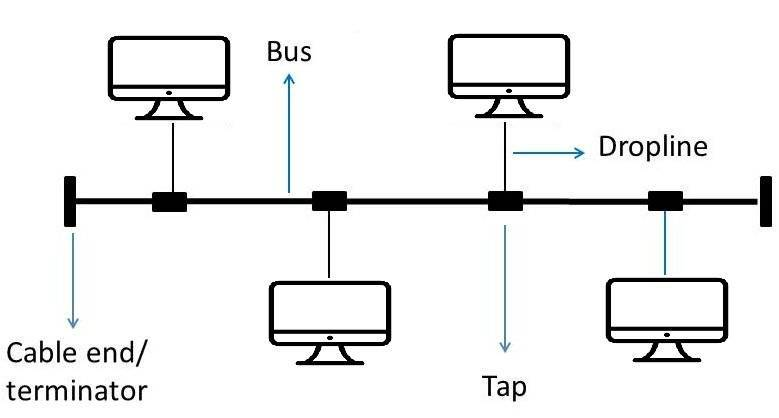
Bus Topology
Star Topology
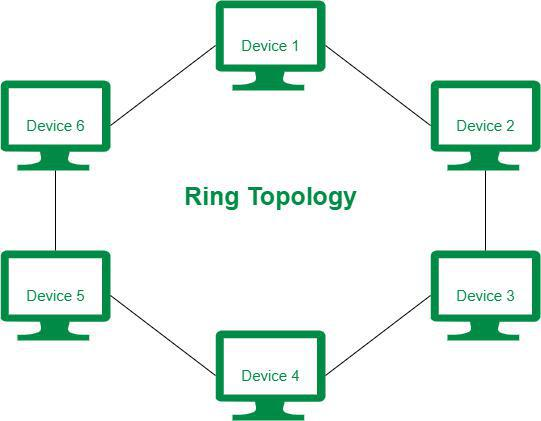
Ring Topology
Mesh Topology
Hybrid Topology
Private Address - Specific IPs that are reserved specifically for private use only.
A - 10.0.0.0
B - 172.16.0.0
C - 192.168.0.0
127.0.0.1 - Loopback
DNS - Domain Name System, decentralized and hierarchical naming system for devices/services connected to the internet.
SMTP - Port 25
OSI
Open Systems Interconnections is a network architecture model based on the ISO standards.
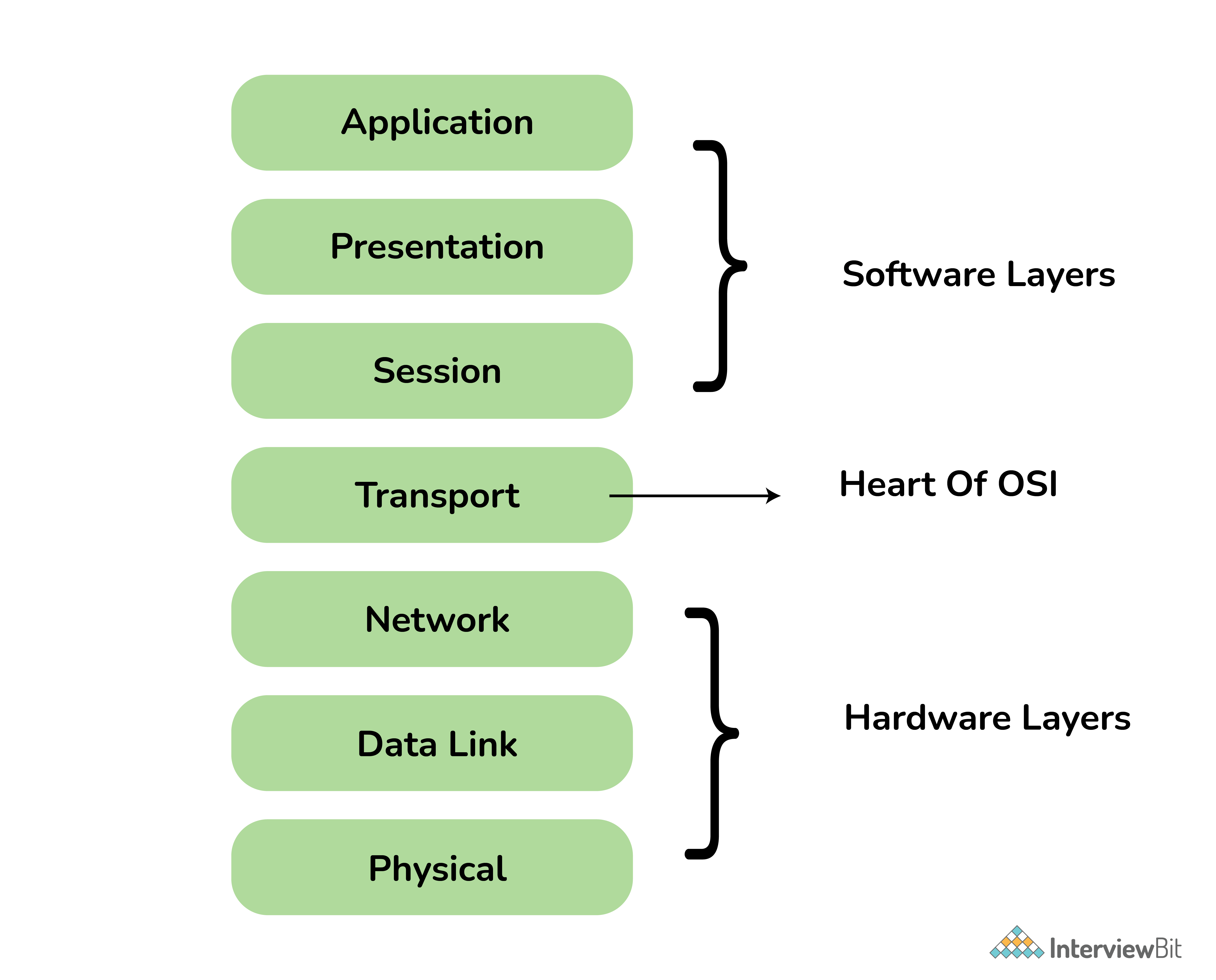
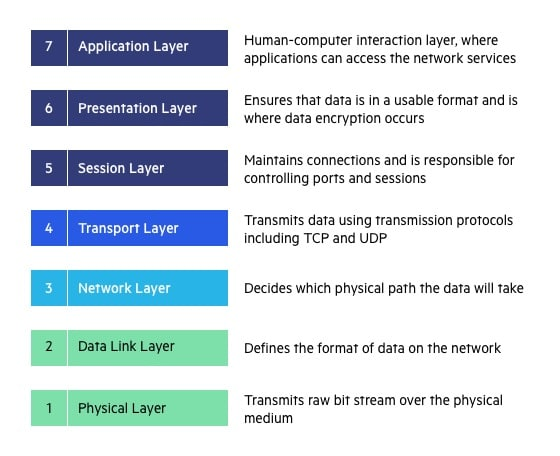
Physical - Transmits raw bits over medium (Hubs, repeaters)

Data Link - Frame - Responsible to node-to-node transfer, Error detection (Switches, bridges, WiFi)

Network - Packets - Routing Packets from source to destination (Routers)

Transport - TPDU - Reliable delivery of messages (TCP/IP)

Session - SPDU - Manages sessions between applications. (NetBIOS)

Presentation - PPDU - Translates data between application and network formats.
(JPEG, SSL/TLS)

Application - Interface between user applications and the network (HTTP, FTP, SMTP, DNS)
TCP (Transmission Control Protocol) - Set of rules that decides how a computer connects to internet and how to transmit the data over the network. (Three way handshake model)
UDP (User Datagram Protocol) - Multicasting and broadcasting. (DNS, SNMP, RTP)
ICMP (Internet Control message Protocol) - (Network Protocol for error handling)
DHCP - (Dynamic Host Configuration Protocol ) - Application Layer Protocol for auto configuration of IP networks to use TCP UDP-based protocols.
ARP (Address Resolution Protocol) - Network protocol to convert IP address to MAC address
MAC (Media Access Control address) - Physical address embedded with network interface card at data link layer.
Hub - dumb Switch - Intelligent
=========================== THEORY =============================
===Physical Layer=== - Cables, Topology, Transmission modes, Encoding, Modulation etc. ===Data Link=== - Stop and wait, go back and selective repeat, MAC protocols, switching, error control, ethernet frame format. ===Network Layer ===- IP addressing, routing protocols, IPv4 headers, IPv6 headers ===Transport Laye===r - TCP, UDP, Headers ===Application Layer=== - DNS, FTP , HTTP, SMTP
1) Error Control 2) Flow Control - Less congestion 3) Multiplexing and Demultiplexing 4) Encryption and Decryption 5) Network Security
All of these functionalities encapsulated into a single model (OSI)
Any message sent has to pass all the layers in the OSI
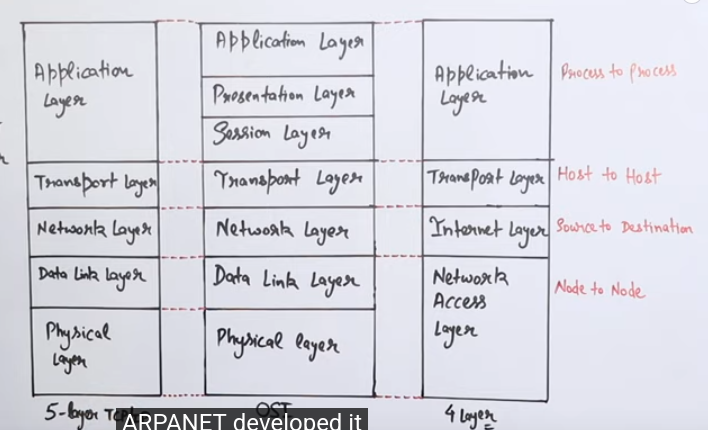
TCP/IP Protocol Suit
- Developed by ARPANET
- Support Peer and Peer & Client Server
Physical Layer
Transmission of raw data over a physical medium - Cables and connectors - Transmission modes - Multiplexing - Encoding
Topology
1) Mesh Topology - High security, but too much cost and no multicasting (Peer to Peer)
2) Star - Centered around hub - Single point of failure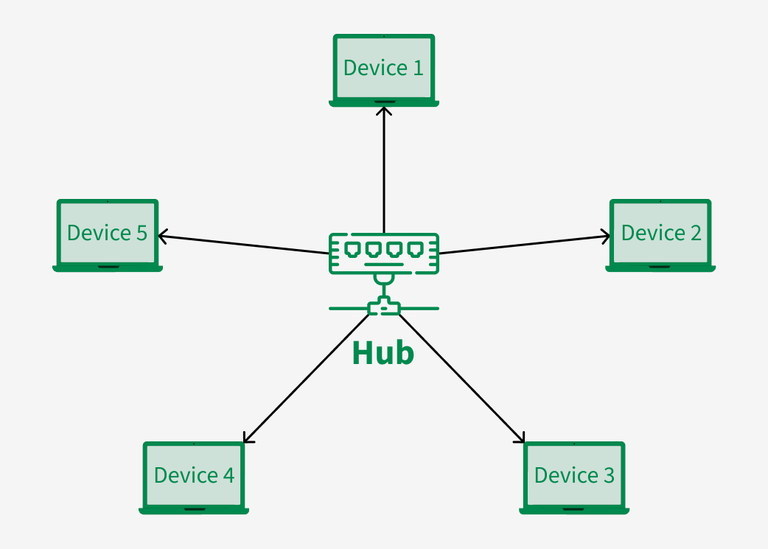 3) Bus Topology - High Bandwidth required (thick wire) (Tap, Drop lines and Backbone), no reliable, less security
  4) Ring Topology - Less reliable, less secure
Manchester and Differential Manchester Encoding
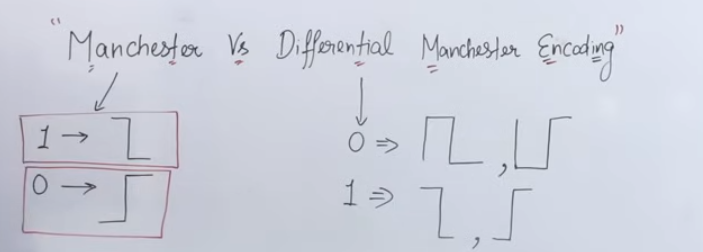 Dr Thomas notation mentioned above, IEEE 802.3 is just the reverse