From Grid Computing to Cloud and Beyond
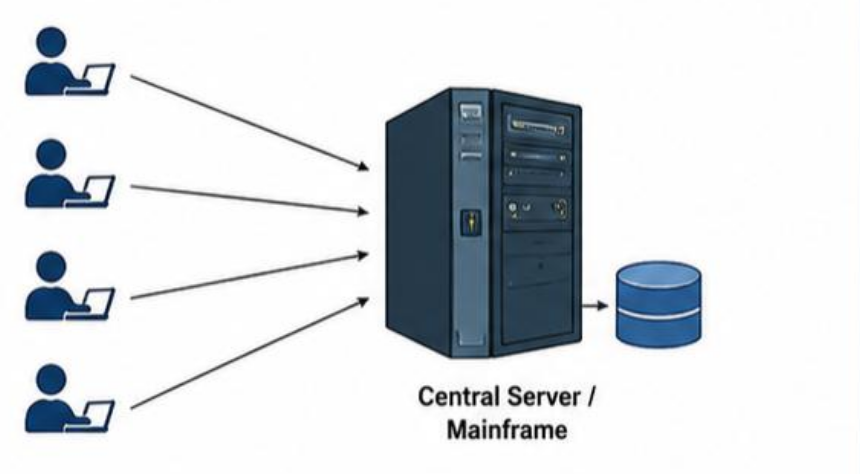
Centralised Computing
All resources in one central machine.
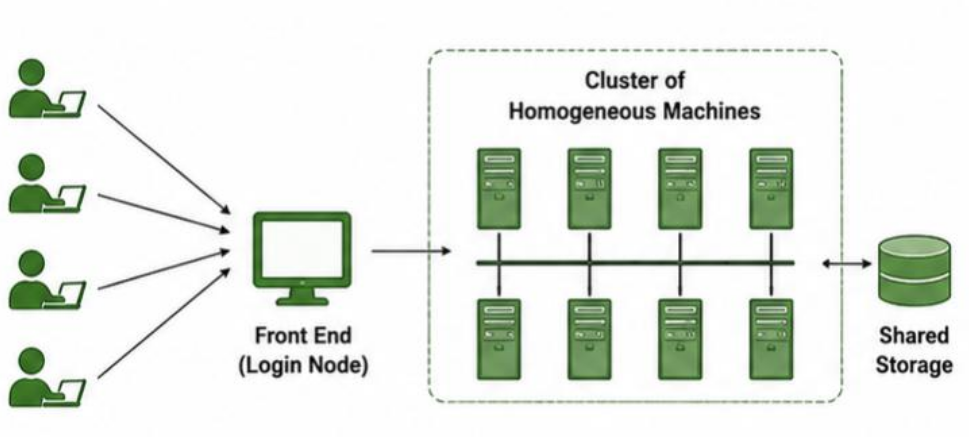
Cluster Computing
Multiple systems work together to work as a single machine.
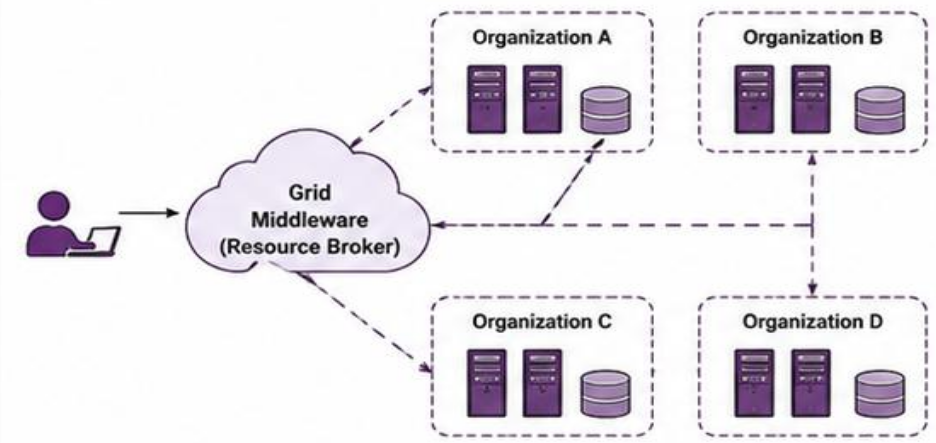
Grid Computing
Distributed resources across organisations are coordinated to achieve a common goal.
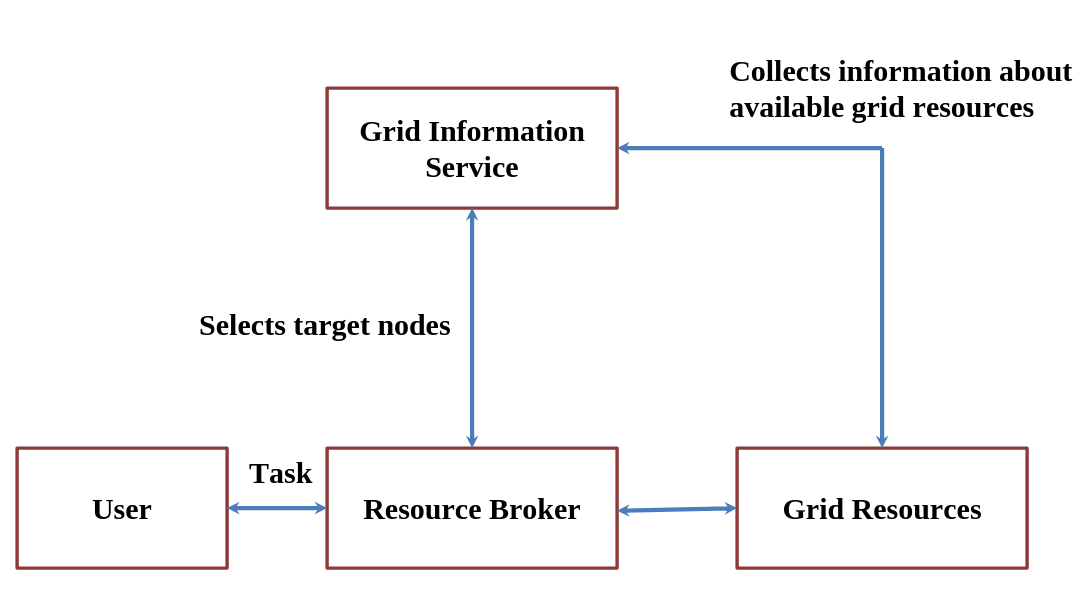
Working of Grid Computing
Types of Grids
Computational Grids
- Network of high computational servers.
Scavenging Grids
- Network of Desktop computers.
Data Grids
- Access, modify or transfer huge amounts of data
Advantages of Grid Computing
- Improved resource utilisation
- General performance increase (parallel processing)
- Easier collaboration
- Increased robustness
Disadvantages of Grid Computing
- Difficult to set up initially
- Huge administrative overhead
- Resources are not guaranteed
- Not suitable for dynamic workload
Utility Computing
- Pay-as-you-use model
Cloud Computing
- Grid Computing + Utility Computing
- Resources are provided by Cloud Service Provider
- Pay-as-you-use model
Edge Computing
- Computation happens at the edge device
- eg. Self-driving cars
Advantages
- Low latency
- Faster decisions
- Privacy
Disadvantages
- Lack of global view
- Low computational power
Fog Computing
- Decentralised architecture that places fog nodes between the edge devices and servers to handle intermediate computation.
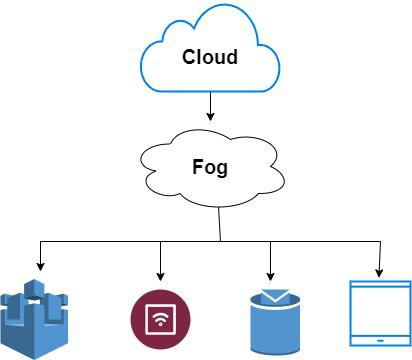
eg. Traffic light system.
The sensors (edge devices) fetch the data and the fog nodes processes the information for immediate decisions. The cloud layer may fetch the summary from each fog node to optimise city’s long-term traffic control.